

Key Takeaways
- Dry eye can bring stinging, burning, redness, or a gritty feeling, especially during screen time.
- Artificial tears help with mild dryness, while gels and ointments offer longer relief at night.
- Prescription drops like Cequa and Vevye contain cyclosporine and help calm inflammation.
- Preservative-free drops that are safe with contact lenses suit frequent use.
- An optometrist in Centreville, VA, can help find the underlying cause of your dryness.
You reach for your eye drops in the middle of the afternoon, blink a few times, and wait for the sandy feeling to fade. But only a few minutes later, your eyes sting again. Our team at See & Co hears this story often, and we know how overwhelming it is to look at all the different types of eye drops and wonder which could bring you relief.
The right eye drops for dry eye match your symptoms, suit how often you use them, and work with your contact lenses if you wear them. For many people, a preservative-free formula is a good place to start. If you want longer-lasting comfort, dry eye care can help you explore more options.
What Is Dry Eye?
Dry eye is a condition where your eyes feel dry, irritated, or uncomfortable. It can follow you to work, behind the wheel, and onto the couch at night.
Signs You May Notice
Symptoms can come and go, or show up at certain times of day.
Here are signs many people describe:
- Your eyes sting, burn, or feel gritty and sandy.
- Your eyes look red, feel tired, or turn blurry during screen time.
- Your eyes water as a response to dryness.
What Contributes to Dry Eye?
Several everyday factors can play a role in dry eye:
- You spend long hours on computers, phones, or tablets.
- You wear contact lenses, live with dry air, or deal with seasonal allergens.
- Your age, certain medications, or health conditions can contribute.
What Types of Eye Drops Help Dry Eye?
Eye drops come in a few main types, and each one fits a different need.
Artificial Tears for Mild Dryness
Artificial tears are over-the-counter drops that add back missing moisture. They offer quick relief for mild, everyday dryness, like the scratchy feeling you get after a long video call.
Gels and Ointments for Nighttime
Gels and ointments have thicker formulas for longer-lasting relief. They may blur your vision briefly, so many people use them right before bed.
Prescription Eye Drops
Prescription drops help calm inflammation and boost tear production. Cequa and Vevye both contain cyclosporine, a medication that helps regulate the immune response involved in dry eye-related inflammation. However, Vevye is slightly stronger and uses a different delivery system. Your eye doctor can help you decide if either one fits your eyes.
What to Look for When You Shop for Eye Drops
A quick look at the box can save you from buying drops you won’t use.
Label Features to Check
These label details are worth a look before you buy:
- Preservative-free formulas suit sensitive eyes and frequent use.
- Electrolytes or lipids can support your natural tears.
- The label should say the drops are safe with your contact lenses.
Match Drops to Your Symptoms
Your symptoms can point you toward the right bottle. Keep these points in mind as you compare options:
- Note whether you feel redness, scratchiness, or grittiness first.
- Look at antihistamine drops if allergies bring on your eye discomfort.
- Think about how many times a day you’ll use them.
How to Put In Eye Drops the Right Way
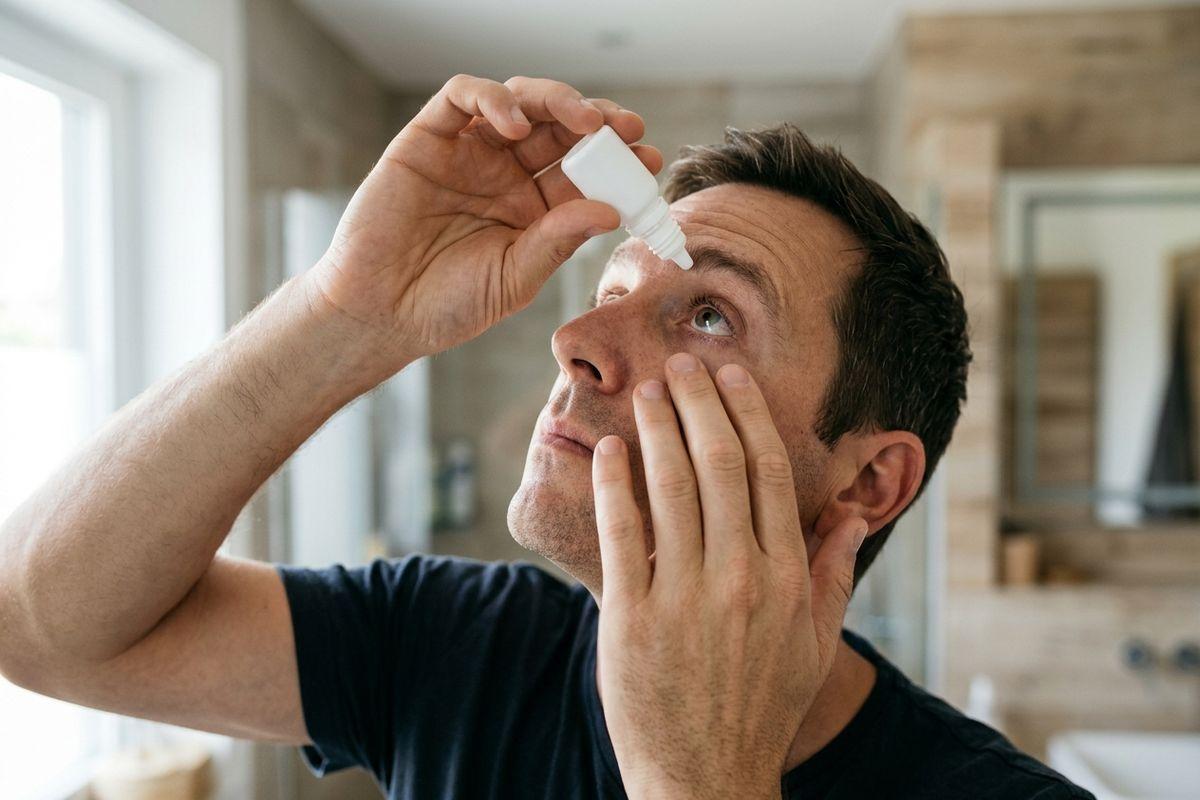
A few simple steps help each drop land where you want it:
- Wash your hands, then tilt your head back.
- Pull down your lower lid and place the drop.
- Blink a few times to spread the drop evenly.
When to See an Optometrist for Dry Eye
Eye drops can bring relief, but sometimes your eyes need a closer look. An optometrist in Centreville, VA, can help you figure out what’s going on. If you notice either of these signs, it’s a good idea to schedule an eye exam with your eye doctor:
- Your symptoms last or get worse over time.
- Your contact lenses feel uncomfortable during the day.
Treatments Beyond Eye Drops
An eye exam helps find the root cause of your dryness. From there, our team can talk with you about in-office options like OptiLight or punctal plugs.
The goal is a personalized plan built around your eyes and lifestyle. The eye doctor takes time to walk you through what’s happening, so you leave knowing which drops to buy and when to use them.
Schedule Your Visit
If you’re looking for the right eye drops for your dry eye, our team can help. Book an appointment with See & Co today, and fill out your forms online before you arrive. Our team looks forward to welcoming you.