Key Takeaways
- Myopia, or nearsightedness, makes faraway objects look blurry while close-up objects stay clear.
- Myopia often worsens through childhood and the teen years, then stabilizes in early adulthood.
- Myopia doesn’t go away with age, and presbyopia can add close-up blur after 40.
- MiSight contact lenses and ortho-k can help slow myopia progression in children.
- Regular eye exams help the team track changes in your family’s vision.
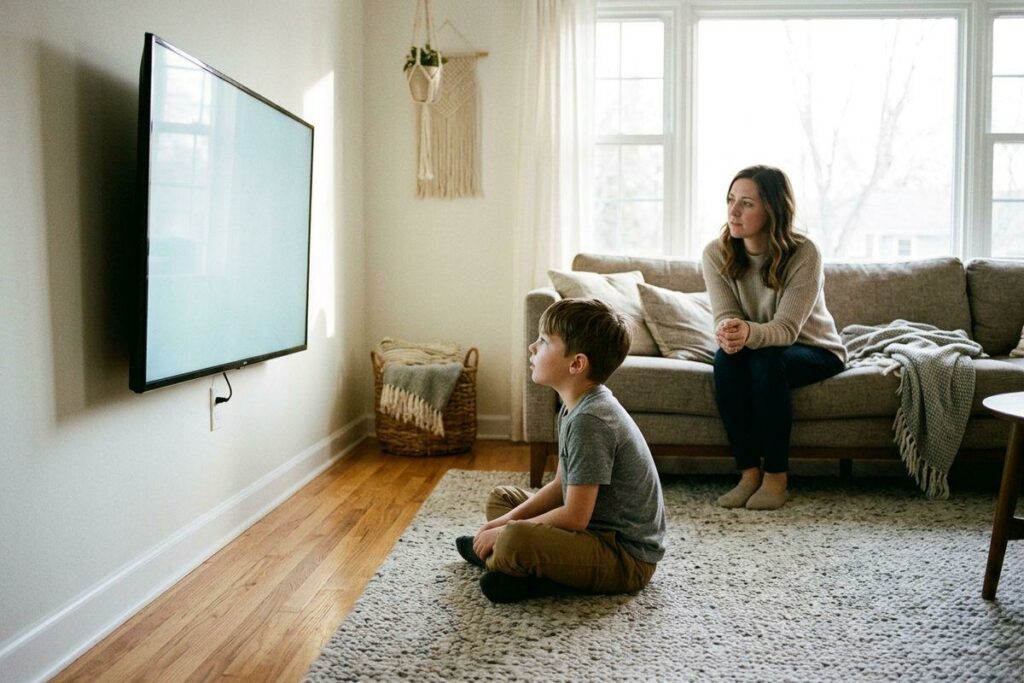
Maybe your child leans closer to the TV every few months, or you squint to read street signs on your drive home. Many parents wonder whether blurry distance vision fades as kids grow up, and our team at See & Co is here to help you understand the facts.
Myopia doesn’t improve with age, but for many people it stops getting worse in early adulthood. The good news is you have options to help slow it down while your child’s eyes are still growing. Our myopia control services can help manage progression and support your child’s long-term vision health.
What Is Myopia?
Myopia is also called nearsightedness. If you have myopia, a road sign down the street looks fuzzy, but the book in your hands stays sharp. This often happens when the eye grows too long from front to back, which causes light to land in front of the eye instead of on it. This is why myopia doesn’t improve with age, as once the eye has grown into an elongated shape, nothing can reverse it.
Vision Changes as You Age
Childhood and Teen Years
Myopia usually starts between ages 6 and 14. Because your child’s eyes are still growing, myopia often gets worse during these years.
You might notice their prescription gets stronger each year. One year they need glasses to see the board at school, and the next year they need a stronger pair to follow the ball across the soccer field.
Early Adulthood
For many people, myopia gradually levels off in early adulthood.
Stable vision doesn’t mean the myopia is gone, though. You still need glasses or contacts to keep distance vision clear for driving, watching a movie, or spotting a friend across a parking lot.
After Age 40
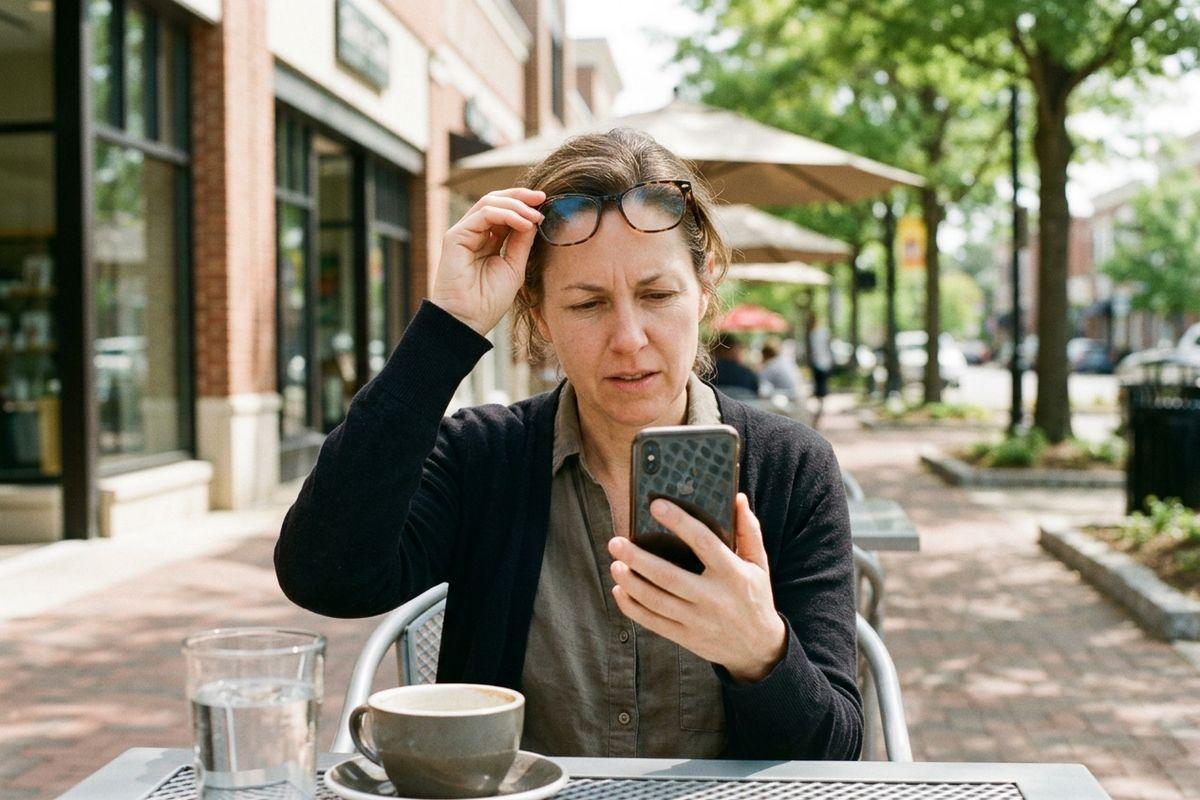
Presbyopia is an age-related vision change that most people experience after age 40. This happens when the eye’s internal lens becomes less flexible, making it harder to focus up close. If you have myopia, you may catch yourself pulling your glasses off to read up close. Your distance prescription stays the same, but now your near vision needs attention too.
What Makes Myopia Progress?
Several factors are linked with myopia risk in kids:
- Your child has 1 or both parents with myopia.
- Your child spends lots of time on close-up tasks like reading.
- Your child spends less time outdoors in natural daylight.
You can’t change family history, but you can make room for outdoor play. A walk to the park or a weekend bike ride gets your child out in the daylight and away from screens.
How Myopia Control Helps Your Child’s Vision
Myopia control focuses on slowing how fast your child’s prescription changes, not just sharpening what they see today.
Why Timing Matters
Regular glasses help your child see clearly, but they don’t slow myopia progression.
Myopia is lifelong, but you can help slow its progression. Many eye doctors suggest starting myopia control soon after diagnosis, while your child’s eyes are still growing.
MiSight Contact Lenses
MiSight lenses are daily soft contact lenses made to slow myopia progression in children. Your child puts in a fresh pair each morning and throws them away at night. Skipping cleaning cases and solutions keeps busy school mornings simple.
Ortho-K Overnight Lenses
Your child wears ortho-k lenses overnight to gently reshape the cornea (the clear front layer of the eye). Your child takes them out in the morning and can enjoy clear daytime vision without glasses or contacts.
That freedom can be a big plus for kids who swim or play sports. Keep in mind the cornea returns to its shape if your child stops wearing the lenses.
When to Book an Eye Exam
Regular visits help our team spot changes early and adjust your care as your eyes change.
How Often to Visit
Here’s a general schedule for routine eye exams:
- Children are recommended to have an eye exam every year to catch vision changes early, when they may impact learning.
- Healthy adults 18 to 64 should visit at least every 2 years, but your eye doctor can recommend a more specific schedule.
- Adults 65+ are recommended to have an eye exam every year because they’re at a higher risk of age-related eye conditions.
Changes to Mention Right Away
Some vision changes need prompt attention, so book a visit right away if you notice any of these signs:
- You see sudden floaters with flashes of light.
- You notice a loss of side vision.
- Straight lines look wavy or distorted.
Schedule Your Visit at See & Co
Myopia doesn’t fade with age, but you can help manage how it changes over time. Whether your child just got their first pair of glasses or you’ve noticed menus getting harder to read, our team at See & Co takes the time to walk you through your options. If you’re looking for an optometrist in Centreville, VA, book an appointment to talk about myopia control and your family’s eye care.