Key Takeaways
- Myopia, or nearsightedness, makes faraway objects look blurry while close-up objects stay clear.
- Eye doctors group myopia into mild, moderate, and high levels based on your prescription.
- High myopia raises the risk of eye conditions like retinal detachment, glaucoma, and cataracts.
- Myopia control options like ortho-k and low-dose atropine can help slow changes in kids.
- Regular eye exams help you track prescription changes over time.
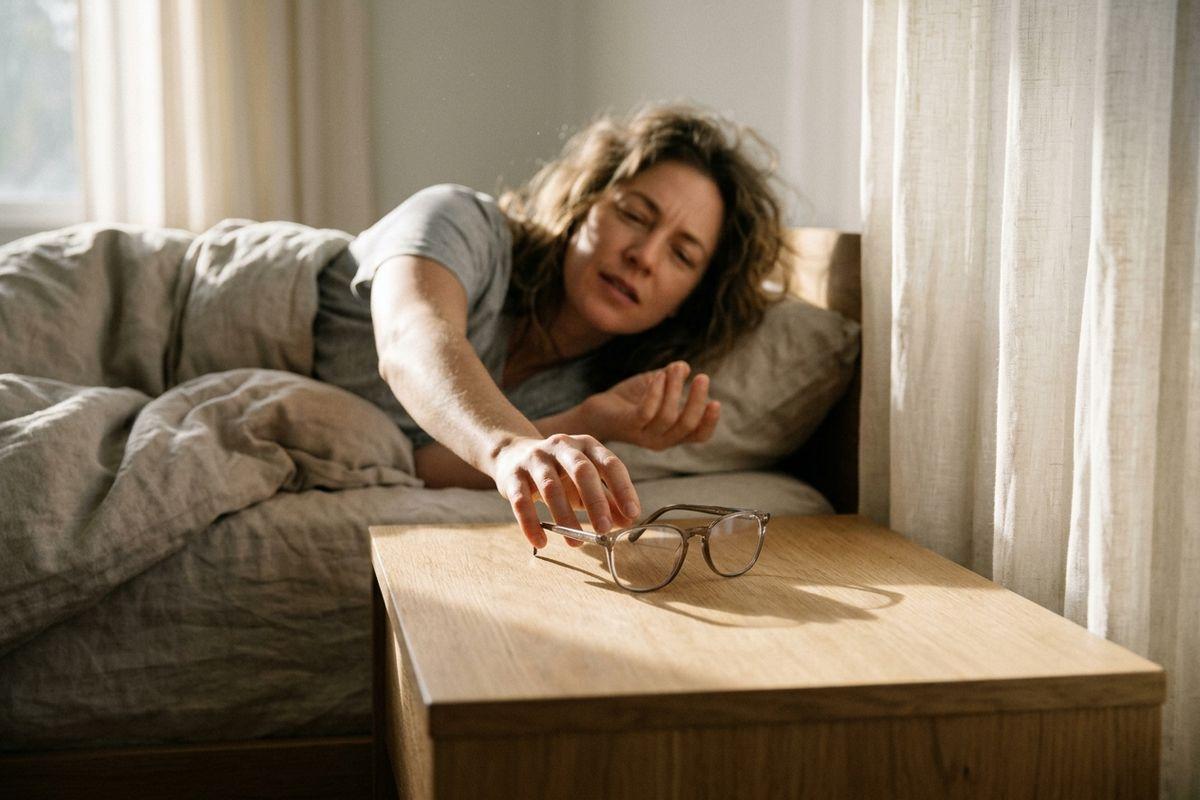
Nearsightedness is one of the most common reasons people wear glasses. It can range from slight fuzziness at the movies to needing your glasses before you get out of bed. Your optometrist at See & Co measures where you fall on that range at every eye exam.
Optometrists group myopia into 3 levels: mild (about -0.25 to -3.00 diopters), moderate (-3.00 to -6.00), and high (-6.00 or stronger). Your level can help shape your care, including whether glasses cover your needs or myopia control could help your child.
What Is Myopia?
Myopia, also called nearsightedness, makes far objects look blurry while close objects stay clear. It develops when the eyeball grows too long or the cornea curves too steeply, so light focuses just in front of the retina. You can read a book without trouble, but the TV across the room looks soft around the edges. It often starts in childhood while the eyes are still growing.
Your optometrist measures it in diopters, and it shows up on your prescription as a minus number, like -1.50. The further that number moves from zero, the stronger the correction you need.
How Optometrists Classify Myopia Levels
Each level shows how much correction your eyes need to see clearly at a distance. The cutoffs can vary slightly from one optometrist to the next.
Mild Myopia
Mild myopia usually falls between -0.25 and -3.00 diopters. You might notice a slight blur when you look far away, like a street sign that sharpens as you walk closer.
Watch for mild myopia in a child. It tends to progress as the eyes grow, so book regular children’s eye exams to track any changes.
Moderate Myopia
Moderate myopia covers prescriptions from about -3.00 to -6.00 diopters. Blurriness at a distance gets harder to ignore, and you may reach for your glasses to watch a movie or drive.
For kids, myopia control can help slow further changes at this stage.
High Myopia
High myopia starts around -5.00 to -6.00 diopters or more. At this level, you likely rely on glasses or contacts from the moment you wake up.
High myopia comes with a higher risk of eye conditions like retinal detachment, glaucoma, and cataracts. Your optometrist can check your retina and optic nerve at each visit and look for early changes.
Signs and Symptoms of Myopia
Myopia can develop slowly, so the early signs are easy to miss. Watch for a few of these in yourself or your child:
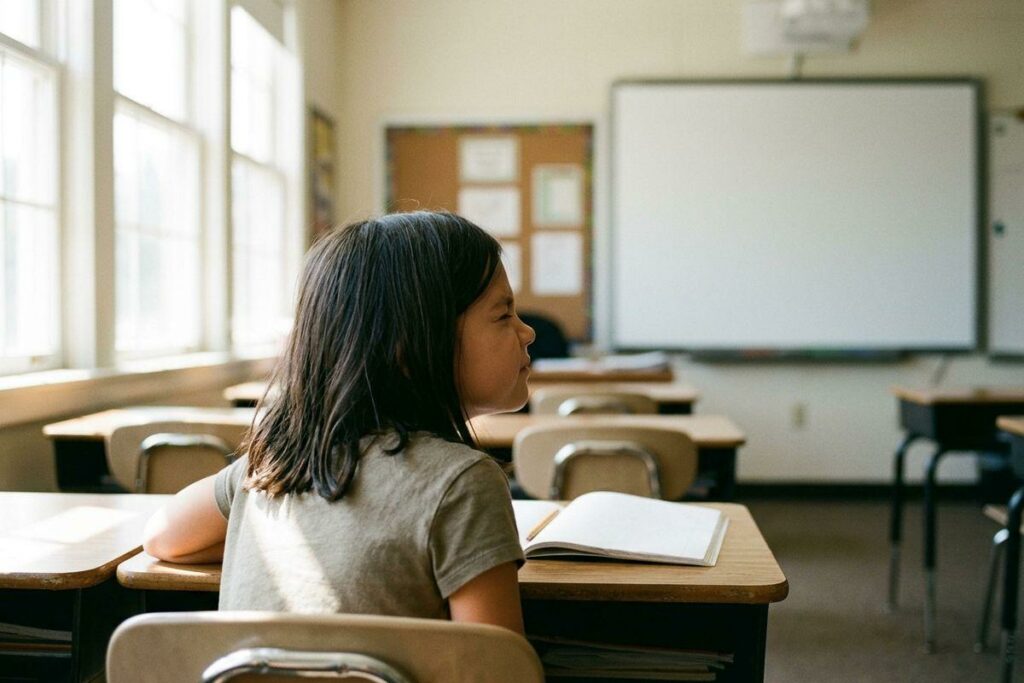
- Squinting to see things far away
- Sitting close to the TV
- Holding books or tablets near the face
- Blinking more than usual
- Frequent headaches
What Affects Myopia Progression?
A few factors can make myopia more likely to change over time:
- Having 1 or both parents with myopia
- Close-up work like reading or doing homework for long stretches
- Spending hours on phones and tablets
- Spending less time outdoors
Some of these factors are part of daily habits you can shape, like how your child spends time after school.
When Does Myopia Slow Down?
Eyes grow fastest during childhood, and that growth can keep progressing into your early 20s. Your myopia can grow along with it.
When myopia starts early, around ages 6 to 8, it has more time to progress. An early start is a good reason to talk with your optometrist about myopia control.
How to Manage Myopia at Every Level
Your options depend on your age and how quickly your prescription is changing.
Glasses, Contacts, and Laser Surgery
Glasses and contacts correct blurry distance vision, so you can read signs, see the board at school, and drive comfortably. They sharpen your view, but they don’t change the myopia itself. Once myopia develops, it stays.
Some adults with a stable prescription consider laser eye surgery. Your optometrist can assess whether you’re a good candidate and talk you through other options if you aren’t.
Myopia Control for Kids
For children, myopia control can help slow how quickly a prescription changes. Common options include:
- Ortho-k lenses that your child wears overnight to gently reshape the cornea
- Low-dose atropine eye drops used at bedtime
- Soft contact lenses designed for myopia control
The right fit depends on your child’s age, prescription, and daily routine.
Book a Myopia Checkup at See & Co
Knowing your myopia level gives you a starting point for every decision that follows, from choosing new lenses to slowing changes in your child’s eyes. The optometrists at See & Co take time to explain what your prescription means and which options fit your family’s daily life.
Book an appointment with our team today and find out where your family’s eyes stand.