
You notice a tender red bump forming on your eyelid. Your eye feels irritated, and you can’t shake the feeling that something’s stuck under your lid. This uncomfortable experience might leave you wondering if your daily makeup routine is to blame. Everyday habits can impact your eye health, and our team helps patients identify connections between their routines and eye comfort. Through comprehensive care, you can better understand what’s causing your eye irritation.
Yes, makeup can lead to styes when products harbor bacteria, block oil glands that line your eyelids, or irritate the delicate eyelid skin. Understanding how your beauty routine affects your eye health can help you prevent these uncomfortable infections while still enjoying your favorite makeup looks.
What Are Styes?
A stye develops when bacteria infect the tiny oil glands that line your eyelids, called meibomian glands. These glands normally produce oils that keep your eyes moist and comfortable. When bacteria get trapped inside these glands, they can multiply and create a painful, swollen bump.
You’ll recognize a stye by these common signs:
- Red, painful bump on the eyelid
- Swelling around the affected area
- Tenderness when touched
- Feeling like something is in your eye
How Makeup Products Can Lead to Styes
Bacteria Transfer from Contaminated Products
Your mascara tube becomes a breeding ground for bacteria after just a few months of use. Every time you dip the wand back into the tube, you’re potentially adding new bacteria from your lashes and eyelids. Old makeup products can harbor harmful bacteria like Staphylococcus, which commonly leads to stye infections.
Blocked Oil Glands from Heavy Application
Thick layers of eyeshadow, concealer, or heavy eyeliner can clog the microscopic openings of your oil glands. When these glands can’t drain properly, oil builds up inside them. This trapped oil creates the perfect environment for bacteria to multiply and form an infection. This blockage mechanism is similar to what happens in dry eye conditions, where gland dysfunction affects your tear quality.
Irritation from Expired or Low-Quality Formulas
Expired makeup changes its chemical composition and can irritate your skin. When your eyelid skin becomes inflamed or damaged, bacteria can more easily penetrate and infect the oil glands. Low-quality formulas often contain harsh ingredients that lead to similar irritation.
High-Risk Makeup Products for Stye Development
Mascara and Eyeliner
These products sit directly on your lash line, where oil glands are most concentrated. Mascara wands collect bacteria from your lashes with each use, while eyeliner can block gland openings when applied too close to the waterline. Both products have short lifespans and need frequent replacement.
Eyeshadow and Concealer
Powder eyeshadow can fall into your eyes throughout the day, potentially settling into oil glands. Concealer applied around the eye area can migrate onto your lashes or lid margins, especially in warm weather or humid conditions. Both products can mix with your natural oils and create blockages.
False Eyelashes and Adhesives
Lash adhesives often contain chemicals that can irritate sensitive eyelid skin. The false lashes themselves can trap bacteria and debris close to your natural lash line. Removal processes can also tug on your eyelids and damage delicate gland openings.
Safe Makeup Practices to Prevent Styes
Replace Products Every 3–6 Months
Mascara should be replaced every 3 months, while other eye makeup can last up to 6 months. Mark the purchase date on your products with a permanent marker. Throw away any eye makeup that changes smell, texture, or color before reaching these timeframes.
Clean Application Tools Weekly
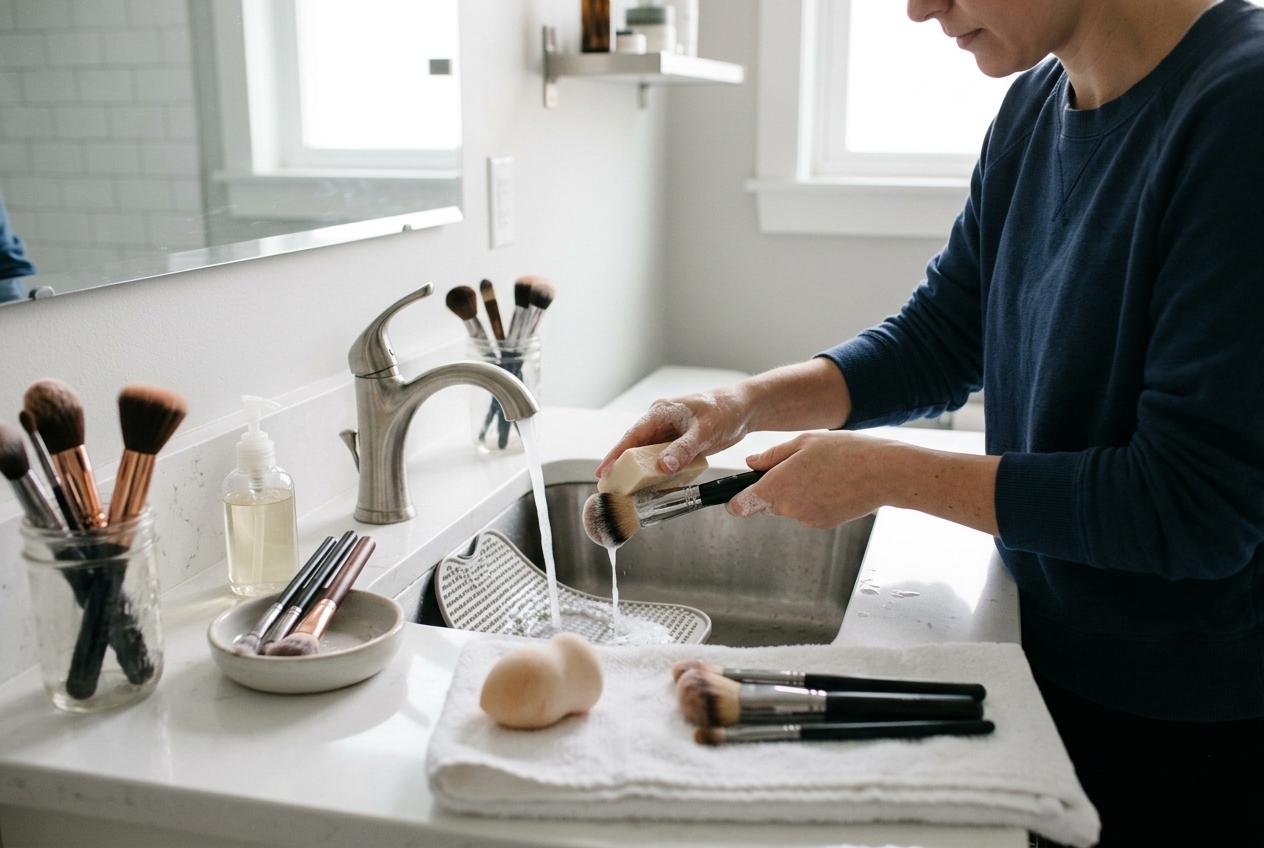
Wash your brushes and sponges with gentle soap and warm water once a week. Rinse them thoroughly and let them air dry completely before using them again. Replace brushes that shed excessively or lose their shape, as damaged bristles can harbor more bacteria.
Remove All Makeup Before Bed
Use a gentle makeup remover specifically designed for the eyes to thoroughly clean your lashes and lids. Pay special attention to your lash line and the corners of your eyes, where makeup tends to accumulate. Clean skin allows your oil glands to function normally overnight. Warm compresses after makeup removal can help keep your oil glands healthy by promoting proper drainage.
Never Share Eye Products
Each person carries different bacteria on their skin and lashes. Sharing mascara, eyeliner, or brushes transfers these bacteria between users. Even trying on makeup at store counters can expose you to contamination from previous users.
Take Care of Your Eye Health
Your eye health extends beyond clear vision to include the delicate structures around your eyes. At See & Co, our experienced team provides comprehensive eye care that addresses both vision concerns and eyelid health issues, such as recurring styes. We take time to understand your daily habits, including makeup use, to help you maintain healthy, comfortable eyes. If you’re dealing with frequent styes or want personalized advice about eye makeup safety, schedule an appointment to receive the dedicated care you deserve.